

I’ve been having a lot of conversations recently about how education is shifting. Much of the discussion has centered around how prepared kids are for school. For context, I am a Principal in a PreK through 5th grade building. I’ve watched preschool students enter our building for more than ten years, and something just feels different.
Recent articles across the national media about how students are less prepared for Kindergarten and how several districts have turned potty training responsibilities over to staff seem to lend to the idea that students are less prepared than they have ever been.
There are several contributing factors, including the disruption of childhood, the changing role of play and screen time for kids, and the increased expectations for young students entering school for the first time. While many educators feel discouraged by these factors and increased emotional dysregulation in children, pointing fingers doesn’t help the students who are sitting in our classrooms. It’s going to take support from both families and schools to help students succeed.
As educators, it might mean shifting our thinking. A lot of us are asking the same question:
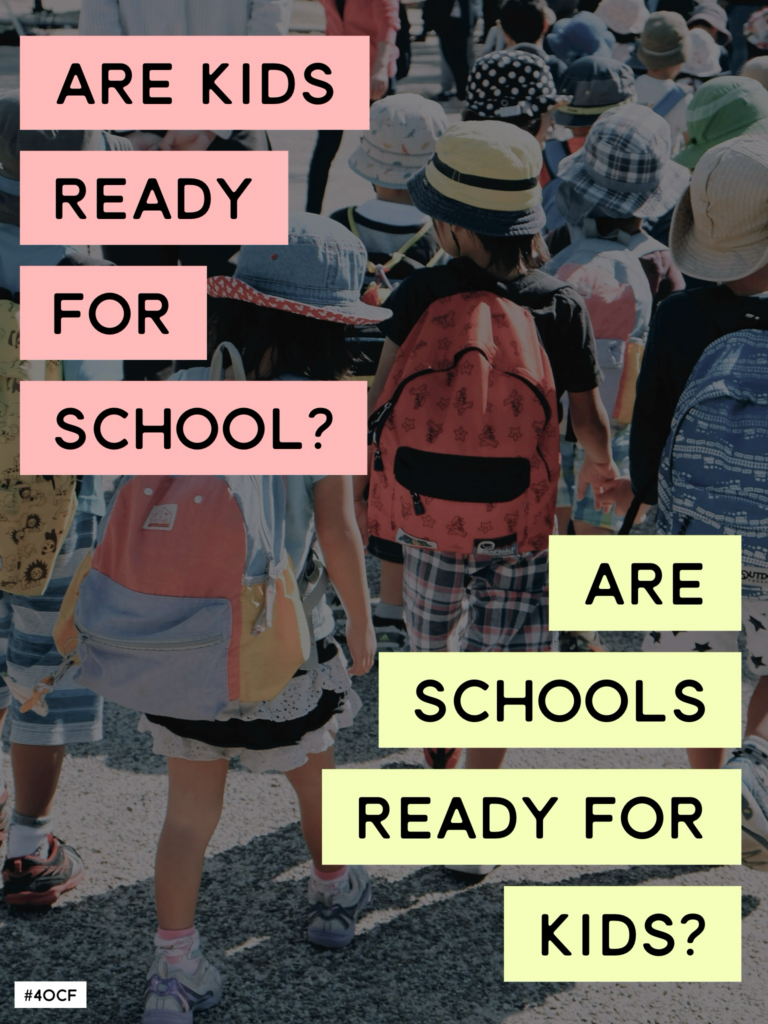
Are kids ready for school?
We may need to flip that question and instead ask:
Are schools ready for kids?
We may need to rethink transition programs. We may need to establish mandatory preschool programs. We may need to redesign the Preschool and Kindergarten curriculum to focus more on self-regulation and the social emotional readiness of students. While schools are being asked to take on more than just ABC’s and 123’s at this point, we may need to open up dialogue with families about how they can better prepare and support their school-age children.
One of those conversations needs to focus on play and development for our youngest learners. Unfortunately, there is not a lot of consistent unstructured independent play for children. We may be so focused on academic objectives that we have limited opportunities for experiences that build fine motor skills and emotional regulation. Simply put, maybe we just need to let kids play more. Letting kids figure things out through play may be something that both parents and schools need to double-down on. Less screen time, more recess and play time. Less structure, and more students learning by doing, failing, and redoing.
Maybe, we need to focus on both questions.
Are kids ready for school? There are certainly things that families can do to help their kids be more successful as they enter school for the first time.
Are schools ready for kids? There are things that we can do as educators to make school more accessible to the students walking through the door.
Rich